
Will AI Replace Jobs? An Honest Look at the Future of Work
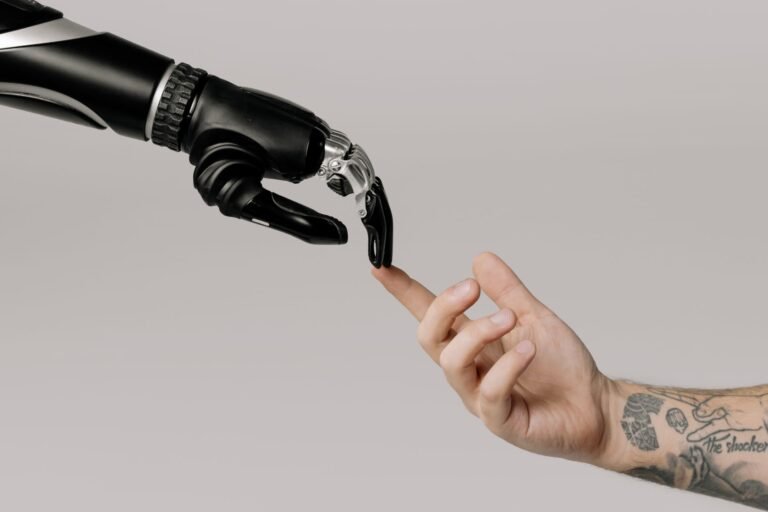
Everyone asks whether AI will take their job. The honest answer is more nuanced — and more useful — than a simple yes or no.

Everyone asks whether AI will take their job. The honest answer is more nuanced — and more useful — than a simple yes or no.

AI systems learn from our world — including its unfairness — and then apply those patterns at scale. Here's where AI bias comes from, why it matters, and what we can actually do about it.

The difference between a useless AI answer and a brilliant one is usually the prompt. This practical guide teaches you to write prompts that get the results you actually want.

AI, machine learning, and deep learning get used interchangeably — but they're nested ideas, not synonyms. Here's what each term actually means, with examples that make the difference stick.

Chatbots feel like magic, but large language models run on a surprisingly simple idea: predicting the next word. Here's how that trick produces something so capable — and where it breaks down.
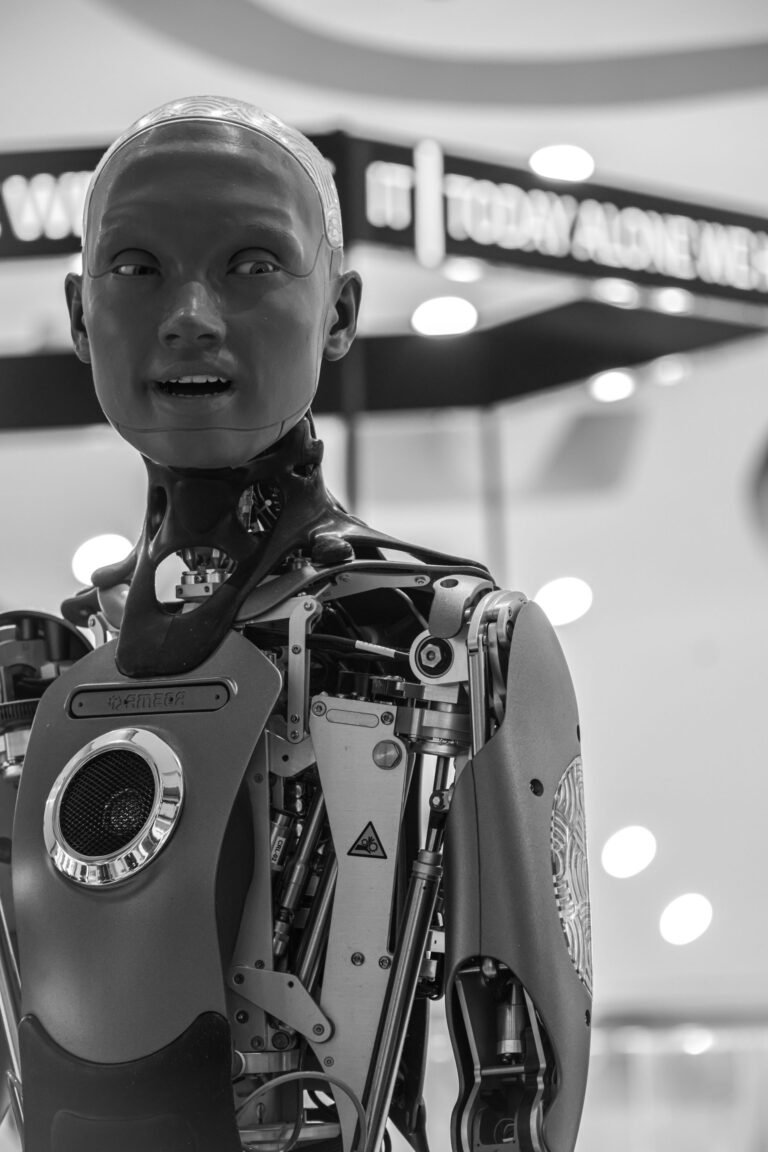
Machine learning sounds intimidating, but the core idea is simple: software that improves at a task by studying examples. This guide explains it in plain English, with no math degree required.

You don't need a budget to study with AI. These are the free tools I'd give every student — tested on real coursework, with honest limits.
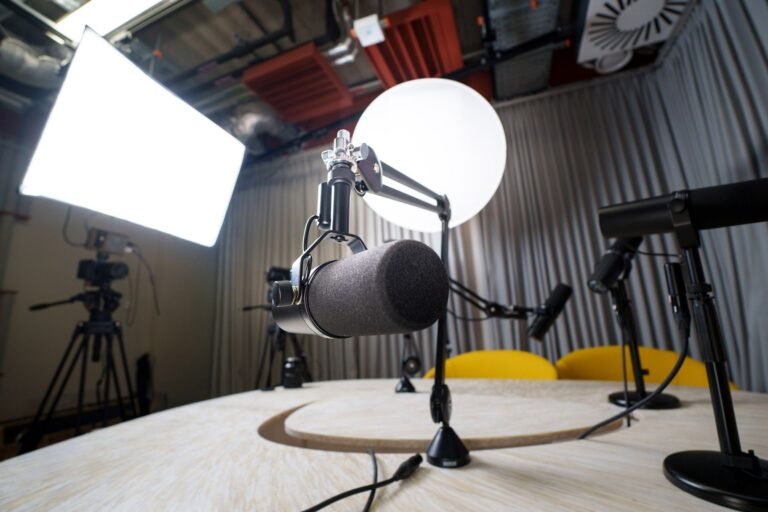
I generated hours of audio with every major AI voice tool to find out which ones sound genuinely human — and which still sound like robots.
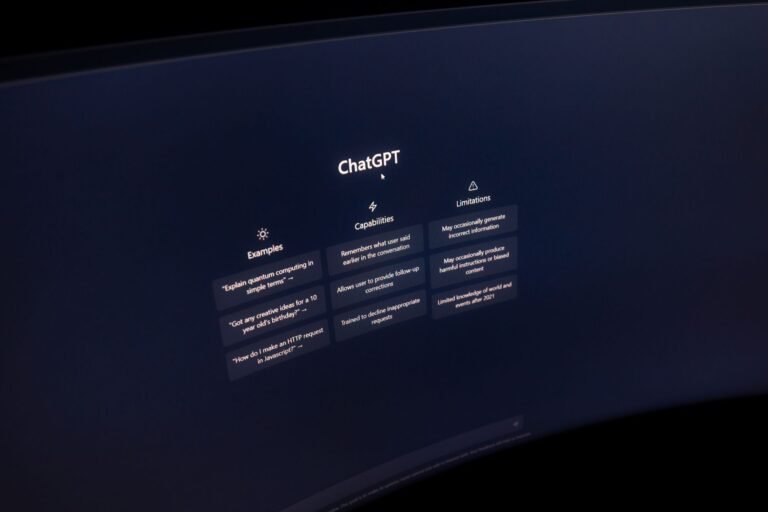
I used every major ChatGPT rival for real work over several weeks to find out which ones genuinely compete — and where each one beats ChatGPT itself.
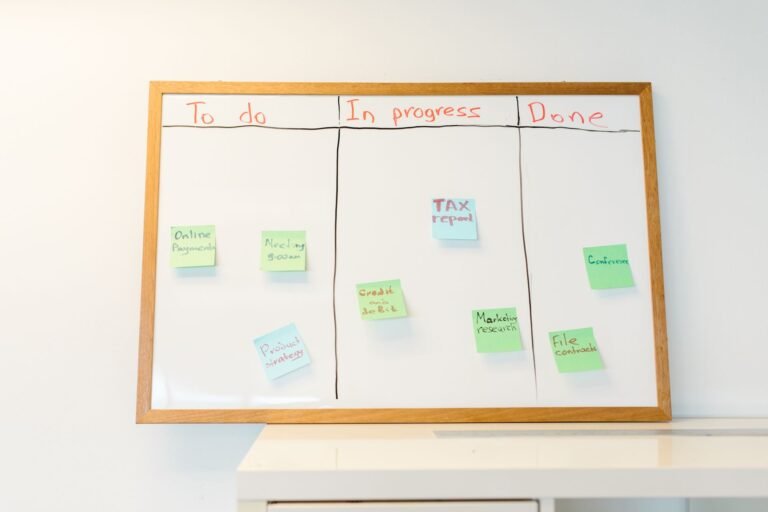
I ran my actual workweek through the most-hyped AI productivity tools to find out which ones save real hours — and which just feel productive.

I edited real videos with every major AI editing tool to find out which ones actually save beginners time — and which just add another subscription.