

Here’s the dirty secret of online video: shooting takes an hour, editing takes a weekend. Every beginner YouTuber, course creator, and marketer discovers this the painful way — you film something you’re proud of, then spend six hours cutting silences, fixing audio, adding captions, and hunting for the right B-roll. It’s the number one reason channels die in the first three months. The newest generation of ai video editing tools attacks exactly this bottleneck, automating the tedious parts so you can spend your time on the creative decisions that actually matter.
I spent a month editing real videos with every major AI editing tool — talking-head YouTube videos, short-form clips, a mini online course, and client-style promo cuts. I timed everything against my old manual workflow to find out which tools genuinely save hours and which ones just move the work around. Some of these tools felt like hiring an assistant. One of them made me want to throw my laptop. Here’s the honest breakdown.
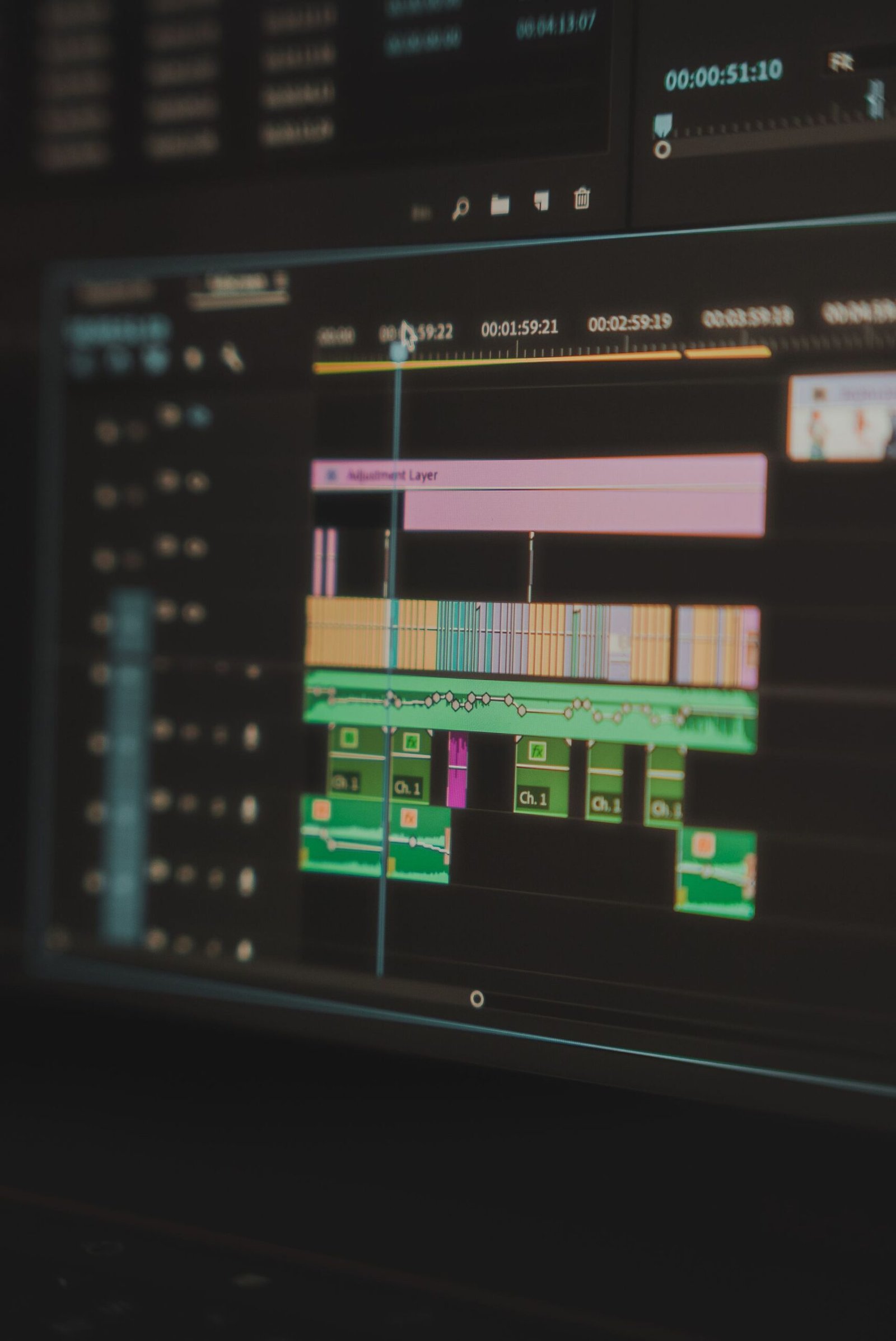
The AI Video Editing Tools I Tested
To keep things fair, every tool got the same assignment: a ten-minute talking-head video with the usual beginner problems — long pauses, filler words, uneven audio, no captions, and no B-roll. I measured total editing time, output quality, how much manual fixing was needed afterward, and the learning curve for someone who’s never edited before. I also noted pricing at realistic usage levels, because “free” tools with crippling watermarks aren’t really free.
One thing to know upfront: these tools don’t replace editing judgment. They replace editing labor. You still decide what to cut, what story to tell, and what looks good — the AI just executes those decisions faster. Beginners who expect the software to make creative choices for them will be disappointed. Beginners who bring their own taste and let the AI handle the grunt work will feel like superheroes.
Descript: Edit Video Like a Document
Descript is the most mind-bending tool on this list, and my personal favorite for talking-head content. It transcribes your video, then lets you edit by editing the text — delete a sentence from the transcript and it disappears from the video. Remove every “um” and awkward pause with one click. Rearrange sections by dragging paragraphs. If you can edit a Google Doc, you can edit video in Descript, and that single insight collapses the beginner learning curve to nearly zero.
The AI features go deeper than transcription. Studio Sound cleans up echoey room audio so convincingly that my cheap microphone started sounding like a proper setup. Overdub can synthesize your voice to fix a flubbed word without re-recording — genuinely useful, slightly eerie. Where Descript falls short is anything cinematic: multi-camera work, complex effects, and precise visual editing still belong in a traditional editor. But for YouTubers, podcasters, and course creators whose videos are mostly them talking, Descript doesn’t just save hours — it changes what’s possible for a solo creator. If you narrate your videos, pair it with a good AI voice generator for intros and pickups.
CapCut: The Free Powerhouse
CapCut is the tool I recommend to every beginner who asks where to start, for one simple reason: the free tier is absurdly generous. Auto-captions with animated styles, background removal without a green screen, silence detection, auto-reframing for vertical video, and a huge library of effects and transitions — all free, all genuinely good. For short-form content especially, CapCut’s caption styles and templates are the reason half of TikTok and Reels look the way they do.
The catch is the ceiling. CapCut is built for speed and trends, not for meticulous long-form work — timeline precision, color grading, and audio mixing are all weaker than in pro tools. The desktop version has closed much of the gap, but a twenty-minute YouTube video with layered graphics will still fight you. There’s also the ownership question worth knowing about: it’s made by ByteDance, TikTok’s parent company, which gives some creators and companies pause about where their footage goes. For most casual creators the trade-off is worth it, but read the terms if you’re editing client work. As a free starting point that you may never outgrow for short-form, nothing else comes close.
Runway: AI Effects That Feel Like Magic
Runway is what people picture when they hear “AI video” — generative effects that feel like science fiction. Remove any object from a scene with a rough mask and it fills in the background convincingly. Turn a still image into a moving shot. Generate short video clips from text prompts. Replace backgrounds, slow down footage smoothly, isolate subjects — the toolkit reads like a visual effects studio compressed into a browser tab.
The reality check: generative video is thrilling but inconsistent. Text-to-video clips look impressive in demos and often fall apart on close inspection — morphing faces, warping physics, the works. It’s fantastic for B-roll, transitions, and stylized sequences where imperfection reads as artistry, and terrible for anything requiring precision or realism. Pricing is usage-based, so experimenting is cheap but heavy production use adds up. My take: Runway is the most fun tool here and genuinely useful for specific effects work, but it’s a supplement to an editor, not a replacement for one. Use it for the shots you couldn’t film, not the ones you could.
Opus Clip: Turn Long Videos Into Shorts
Every creator knows they should be repurposing long videos into short-form clips, and almost nobody does it because the work is brutal: rewatch everything, find the moments, reframe vertical, add captions. Opus Clip automates the whole pipeline — upload a long video and it identifies the most engaging moments, cuts them into vertical clips, adds animated captions, and even scores each clip’s viral potential. For podcasters and YouTubers sitting on hours of footage, it’s like unlocking a content library you didn’t know you had.
How good are the picks? Better than I expected, worse than a human editor with taste. The AI reliably finds energetic, self-contained moments, but it sometimes misses context — a punchline without its setup, a hot take that needs the preceding nuance. I treat its output as a first draft: let it find the candidates, then I spend fifteen minutes polishing the best three instead of three hours hunting through raw footage. That division of labor is where the real time savings live. If your strategy includes short-form at all, this category of tool pays for itself in the first week.
One warning from experience: don’t auto-post everything it generates. I published a batch of unreviewed clips once and spent the next day deleting the ones where the AI had clipped a sarcastic remark out of context. The tool finds moments; you provide judgment. Fifteen minutes of review per batch keeps you out of trouble and noticeably improves which clips actually perform.
What AI Video Editing Tools Still Get Wrong
Honest limitations, because the marketing won’t tell you. Auto-captions are excellent until they meet accents, technical jargon, or crosstalk — always proofread before publishing, especially for accessibility. AI silence removal occasionally eats the natural breath before an emphatic sentence, making delivery feel robotic; I review every auto-cut at 1.5x speed before finalizing. Background removal without a green screen is impressive but still struggles with hair, glasses, and busy backgrounds.
The deeper issue is homogenization. When everyone uses the same auto-caption styles, the same AI B-roll, and the same viral-clip formulas, content starts looking identical. The tools give you speed; they don’t give you taste. The creators who stand out are the ones using AI for the boring 80% and spending their saved time on the distinctive 20% — better hooks, original ideas, personal style. If you’re making thumbnails and graphics to go with your videos, my comparison of AI image generators covers the best options for that side of the workflow.
The Hidden Costs Nobody Mentions
The advertised price is never the whole story. Usage-based tools like Runway look cheap until a big project burns through credits faster than expected — set a budget before you start experimenting. “Free” tools monetize in other ways: watermarks on exports, resolution caps, or in CapCut’s case, your data and attention inside someone else’s ecosystem. Always check what the free tier actually exports, because a tool that can’t export clean 1080p isn’t free for real use.
The sneakier cost is rendering and upload time. Browser-based AI tools queue your jobs on shared servers, and during busy hours a “two-minute” render can take twenty. Desktop tools avoid the queue but need decent hardware — if your laptop is five years old, check the system requirements before committing to a workflow. Speaking of hardware, video work is demanding; if you’re shopping for a machine that can handle it, my guide to the best laptops for programming covers the specs that matter for creative work too. Finally, there’s subscription stacking: Descript plus Runway plus Opus Clip adds up fast. Start with one tool that covers your main format, and add others only when you’ve outgrown it.
My Actual Workflow: From Raw Footage to Published
Here’s the exact process I use now for a standard ten-minute talking-head video, refined over dozens of uploads. It starts before I open any editor: I watch the raw footage once at 1.5x speed and mark the sections worth keeping with rough timestamps in a notes app. This ten-minute investment saves me from the classic beginner trap of editing chronologically and discovering at minute nine that minute two should have been cut.
Step one is Descript: import, transcribe, and do the structural edit in the transcript. I delete dead sections, reorder for better flow, and strip filler words with the automated tools. This is where 70% of the time savings happen — what used to be an hour of razor-blade timeline surgery is now twenty minutes of text editing. Step two is audio: Studio Sound for cleanup, then I listen through once with headphones to catch anything the AI mangled. Step three is visuals in CapCut or my desktop editor: captions, B-roll over the thin spots, and a simple branded intro.
The final pass is always human and always at full attention: I watch the whole thing once through, phone in another room, asking one question — would I keep watching this? Anything that makes me reach for the skip button gets cut or tightened, no matter how long it took to film. Total time for a ten-minute video: about two hours, down from six. The AI didn’t make me a better editor; it gave me back the four hours I now spend on better scripting, which is what actually grows a channel.
Free vs Paid: What’s Actually Worth Paying For
Let’s get practical about money, because “free” and “worth it” aren’t the same thing. CapCut’s free tier genuinely covers most beginner needs — I’d estimate the average new creator can go six to twelve months without paying for anything and produce perfectly good content. The paid tiers across these tools mostly buy you three things: higher export quality, more AI credits, and the removal of watermarks and limits.
Here’s my rule: don’t pay until a specific limitation has blocked you twice. Hit the Descript transcription limit two months in a row? That’s a subscription earning its keep. Need 4K exports for client work? Pay for the tier that offers them. But don’t subscribe on day one “to be serious” — seriousness is measured in published videos, not active subscriptions. The one exception: if you’re editing client work, pay for the pro tier immediately. Watermarks, resolution caps, and usage limits are unprofessional in a commercial context, and the subscription cost is trivial next to what the client pays you.
Also watch for the annual-billing trap. Monthly feels expensive and annual feels like a deal, but annual only saves money if you’re still using the tool in month eight. These tools evolve fast — the best option today might not be the best option next year. I stay monthly until a tool has survived in my workflow for at least three months, then switch to annual for the discount. That one habit has saved me from paying for a full year of at least two tools I abandoned by spring.
Picking the Right Tool for Your Channel
Match the tool to your format. Talking-head YouTube, courses, or podcasts: start with Descript — nothing else makes editing this accessible. Short-form TikTok/Reels/Shorts: CapCut, free, done. Cinematic or effects-heavy work: learn a traditional editor and add Runway for specific AI effects. Repurposing long content into clips: Opus Clip or its competitors.
Whatever you choose, keep one traditional skill: basic timeline editing. AI tools change fast — features appear, pricing shifts, companies pivot. The creators who thrive are the ones whose taste and judgment transfer across tools, not the ones locked into a single app’s workflow. Learn what good pacing feels like, what clean audio sounds like, and what makes a cut invisible. Those fundamentals make every AI tool ten times more powerful, because you’ll know exactly what to ask them to do.
Key Takeaways
- The best ai video editing tools eliminate editing labor, not editing judgment — you still make the creative calls.
- Descript is the top pick for talking-head creators; CapCut is the best free option, especially for short-form; Runway excels at AI effects; Opus Clip automates clip repurposing.
- Auto-captions, silence removal, and background cleanup save the most hours for beginners.
- Always proofread AI captions and review AI cuts — the tools are fast but not flawless.
- Start with one tool matched to your main format; add others only when you’ve genuinely outgrown the first.
Frequently Asked Questions
What is the best AI video editing tool for beginners?
Descript, if you make talking-head content — editing via transcript removes the entire traditional learning curve. For short-form video, CapCut’s free tier is unbeatable. Both let a complete beginner produce polished videos within days, not months.
Can AI video editing tools replace professional editors?
For routine content, largely yes — captions, cuts, cleanup, and repurposing are now automatable. For high-end commercial work, narrative documentaries, and anything requiring genuine artistry, human editors remain essential. Most creators land in the middle: AI handles the 80% and humans polish the 20%.
Are free AI video editors actually good?
CapCut’s free tier is genuinely excellent for short-form and social video. Descript and others offer free plans with real functionality but meaningful limits. Watch for watermarks and export resolution caps — a “free” tool that watermarks your exports isn’t free for publishing.
How much time do AI editing tools really save?
In my testing, a ten-minute talking-head video went from roughly five hours of manual editing to about ninety minutes with Descript — most of the savings from automated transcription, silence removal, and text-based cutting. Your mileage varies with format, but halving editing time is a conservative expectation.
Do I need a powerful computer for AI video editing?
Less than you’d think. Browser-based tools do the heavy AI processing on their servers, so a modest laptop works fine — you mainly need a good internet connection. Desktop AI features benefit from a modern machine, but nothing exotic. Storage space for footage matters more than raw computing power for most beginners.
Conclusion
The right ai video editing tools don’t just save you hours — they change what kind of creator you can be. When editing stops being a weekend-eating chore, you publish more often, experiment more freely, and actually enjoy the process. My advice: pick the one tool that matches your main format, learn it properly for a month, and measure the hours you get back. Descript for talking heads, CapCut for short-form, Runway for effects magic, Opus Clip for repurposing — each one genuinely earns its place by attacking a specific bottleneck. The channels that win aren’t the ones with the most software; they’re the ones whose creators spend their saved hours on better ideas. Start editing smarter this week, publish more consistently next month, and your future self will thank you.