

The first time I switched on proper noise cancelling during a flight, the engine drone melted away and I actually laughed out loud — then spent the next hour wondering why I had waited so long. If you are shopping now, this noise cancelling headphones buying guide will save you from the two classic mistakes: overpaying for features you will never use, and under-researching the things that determine whether you love the purchase.
Noise-cancelling headphones are not just about silence. They are about focus in open offices, rest on planes and trains, and hearing your music clearly at lower volumes. But the market is full of inflated claims, and the spec sheets of a mediocre pair and an excellent pair can look nearly identical. What follows is the practical knowledge I wish someone had given me: how the technology works, what actually differs between models, and how to match a pair to your life.
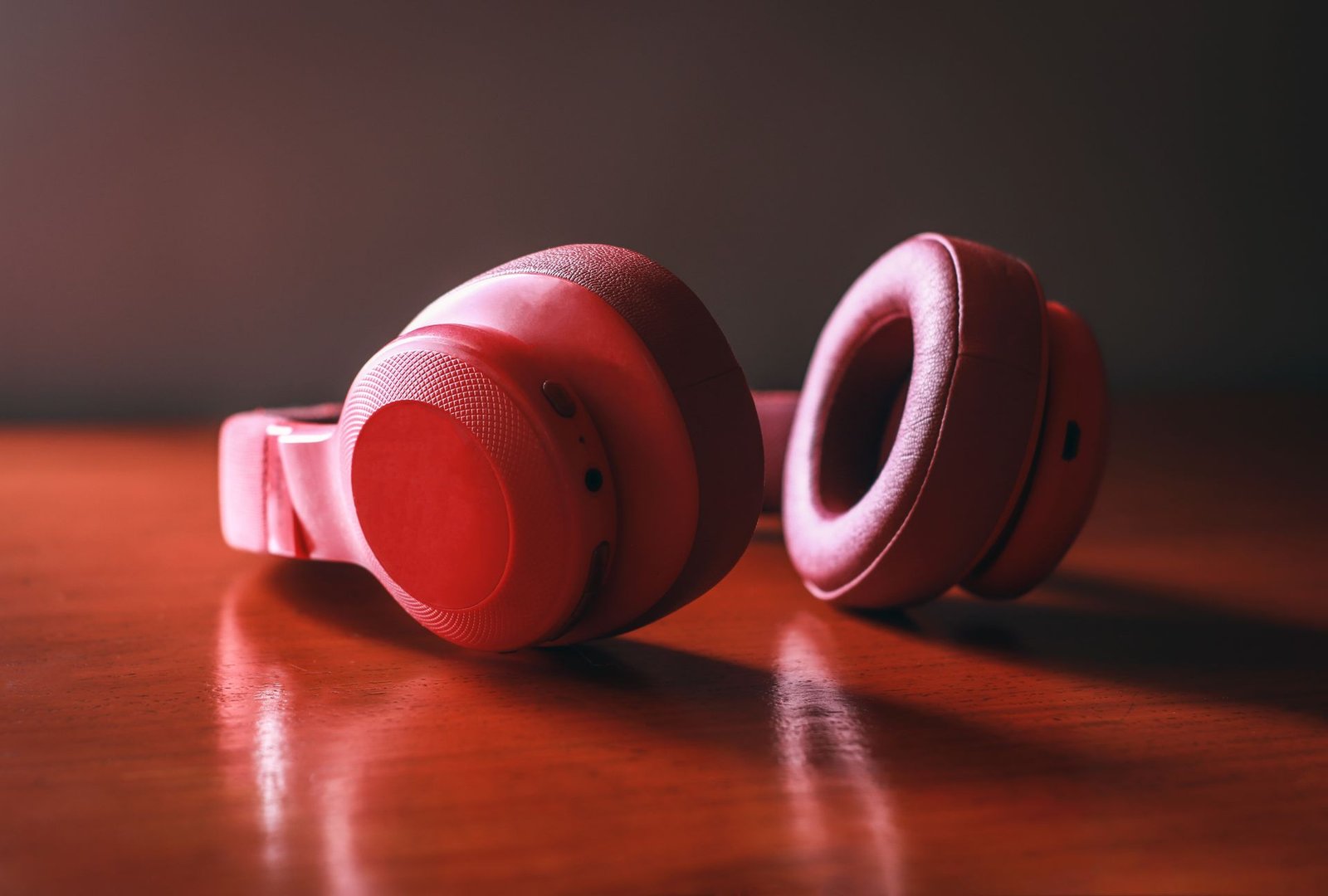
Noise Cancelling Headphones Buying Guide: How ANC Actually Works
Active noise cancelling (ANC) sounds like magic, but the principle is straightforward physics. Tiny microphones on the headphones constantly listen to the ambient sound around you. The headphones then generate an “anti-noise” signal — sound waves precisely inverted relative to the incoming noise — and play it through the drivers. When the original wave and the inverted wave meet, they cancel each other out. Your ear hears the sum: near-silence.
This works brilliantly on constant, low-frequency sounds: airplane engines, air conditioners, train rumble, office HVAC hum. It works poorly on sudden, irregular sounds: a dog barking, a door slamming, nearby conversation. No headphone erases the world completely — physics sets limits, and marketing departments routinely ignore them.
Two design details affect real-world performance:
- Feedforward vs feedback microphones. Feedforward mics sit outside the earcup and catch noise before it reaches you; feedback mics sit inside and correct what gets through. The best implementations use both (hybrid ANC), adapting continuously.
- Passive isolation. The physical seal of earcups or ear tips blocks sound before electronics get involved. This is why fit matters so much: a poor seal lets noise leak in that no algorithm can fully remove.
Transparency/ambient mode is ANC’s useful sibling: it pipes outside sound in through the microphones so you can hear announcements, traffic, or a colleague without removing the headphones. Quality varies enormously — good implementations sound natural, bad ones sound like a cheap intercom. If you commute or work around people, test this mode specifically.
Sound Quality: What to Actually Listen For
Every headphone claims great sound, so you need your own ears and a framework. When testing — in a store, from a friend’s pair, or during a return window — listen for:
- Balance, not bass. The most common trick in cheap headphones is overwhelming bass that drowns everything else. Good sound presents bass, mids, and treble in proportion: you should hear the singer clearly and feel the kick drum, not one at the expense of the other.
- Clarity at low volumes. One of ANC’s hidden benefits is that you do not need to crank the volume to overcome background noise. A good pair sounds detailed and full even quietly — which is also better for your hearing over years of use.
- Consistency with ANC on and off. Some headphones change their sound character noticeably when noise cancelling engages. Check both modes; you will live mostly in ANC-on, so that is the tuning that matters.
- Your music, not the demo track. Stores play flattering demo material. Test with the genres and podcasts you actually consume, including a familiar acoustic track where you know exactly how the voice should sound.
A note on codecs and “hi-res” claims: wireless audio compresses sound via Bluetooth codecs. The standard codec works fine for most listeners; higher-quality codecs can improve detail with compatible phones and streaming settings. Audible differences exist but are subtle compared to the differences between headphone models themselves — prioritize the headphone’s overall tuning over its codec checklist.
Comfort: The Factor That Decides Everything
Here is an uncomfortable truth about headphone reviews: they are written after hours of testing, but you will wear these for thousands of hours. Comfort is the number one reason expensive headphones end up in drawers, and it is the hardest thing to judge from a spec sheet.
For over-ear headphones, check:
- Clamping force. The headphones should feel secure without squeezing your temples. Too tight causes headaches within an hour; too loose slides around when you move. This varies with head size, so try them on.
- Earcup size and depth. Your ears should fit inside the cushions without the drivers pressing on them. Shallow cups that rest on your ears get painful fast.
- Weight. Every extra few dozen grams matters over a long flight or workday. Lighter pairs with good weight distribution beat heavier “premium-feeling” ones for all-day wear.
- Heat. Sealed earcups trap warmth. If you run hot or live somewhere warm, this matters — some materials breathe better than others.
For earbuds, check: tip sizes included in the box (more options means a better chance of a good seal), how securely they sit during movement, and whether they cause pressure points after an hour. A proper seal is not just comfort — it is the foundation of both bass response and noise cancelling.
Glasses wearers: test with your glasses on. Arms under earcups break the seal and create pressure points — some designs handle this far better than others.
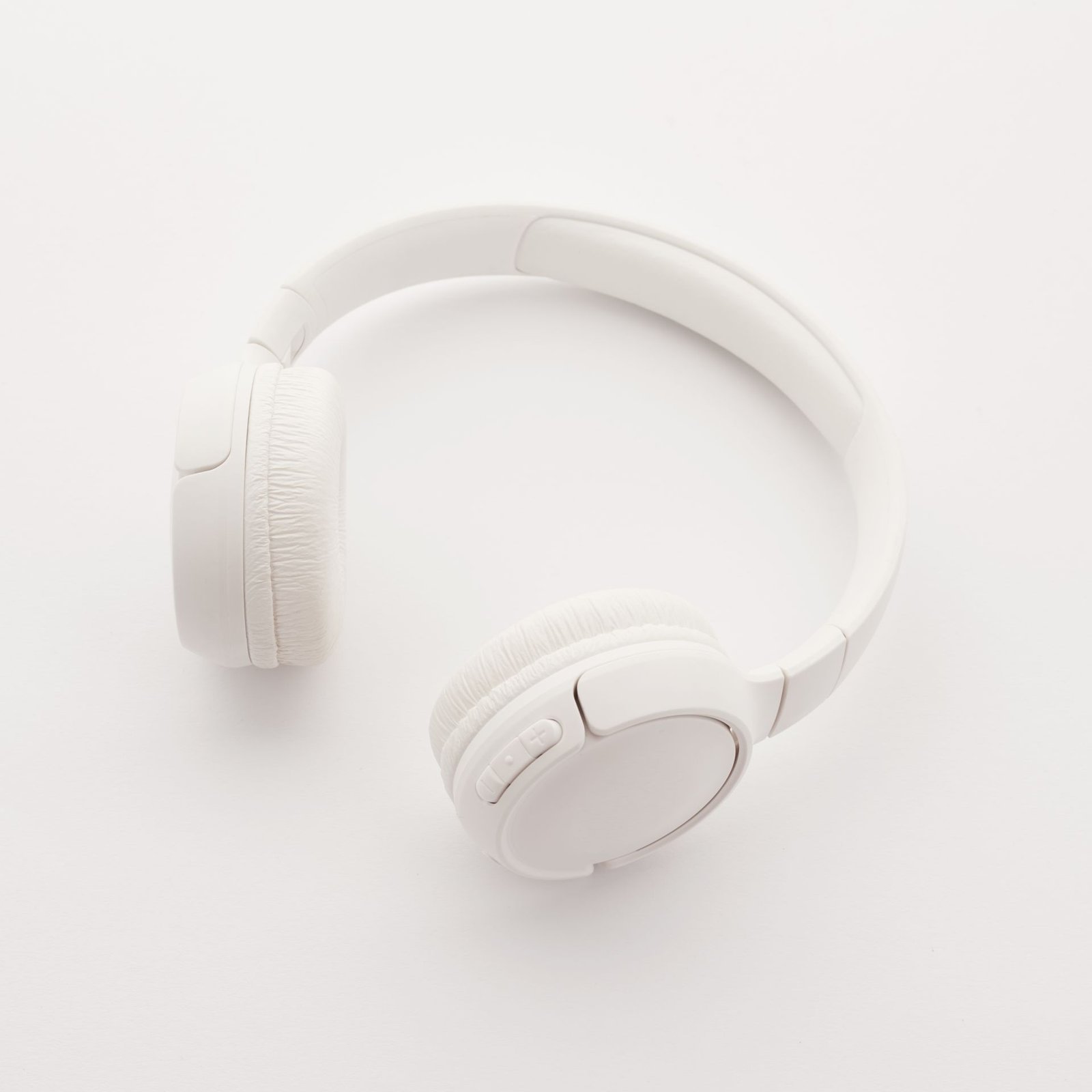
Battery Life and Charging: Matching Your Routine
Battery claims are measured with ANC on at moderate volume — your real usage with calls, higher volume, and transparency mode will differ, but the rankings between models hold roughly true.
Over-ear headphones typically offer 30–60 hours per charge with ANC on. At that point, battery stops being a daily concern and becomes a “charge every week or two” convenience. Anything above 30 hours is effectively fine for almost everyone; beyond 50 hours you are buying peace of mind for long trips.
Noise-cancelling earbuds typically offer 5–8 hours per charge, plus another 20–30 hours from the charging case. Here the numbers matter more, because earbuds die mid-day if the case is empty. Check both figures: buds-only time for long flights, case total for weekly convenience.
Charging speed deserves attention: many models now give several hours of playback from a ten-minute charge, which rescues you when you forgot to charge overnight. Also check the charging port — USB-C is the modern standard and lets you share cables with your phone (see my USB-C explained guide). A headphone that still uses an older connector in today’s market is a minor red flag about the product’s age.
Battery longevity: rechargeable batteries degrade over a few years of daily use. Models with replaceable batteries are rare in this category, so consider the purchase a three-to-five-year investment and weigh the price accordingly.
Bluetooth, Codecs, and Multipoint: The Connectivity Checklist
Wireless headphones live or die by connection quality. Here is what to verify:
- Bluetooth version. Newer versions (5.x and beyond) bring better range, stability, and efficiency. It matters, but the implementation matters more than the number — a well-engineered older Bluetooth can outperform a sloppy newer one.
- Multipoint connection. This lets the headphones stay connected to two devices at once — say, your laptop and your smartphone — and switch automatically when a call comes in. If you work across devices, this is one of the most practical features you can have. Check that it works with your device combination, as behavior varies.
- Range and stability. Walls, pockets, and busy radio environments (trains, offices) stress connections. Reviews that test real-world dropouts are more useful than spec-sheet range claims.
- Latency. Audio delay matters for video and gaming. Many headphones have a low-latency mode; if you watch video on your phone or play mobile games, verify the delay is acceptable.
- Wired option. Some over-ears include a cable for wired listening (useful on planes with seatback entertainment, and for zero-latency needs). Check whether the cable is included and whether ANC works in wired mode.
Microphone Quality: The Remote-Work Test
If you take calls on your headphones — and most buyers do — microphone quality deserves the same attention as sound quality. This is also where many otherwise-excellent headphones stumble.
What to check: how your voice sounds to the other person, in both quiet and noisy environments. Good microphone arrays use beamforming and noise reduction to isolate your voice from background sound; weak ones transmit every keystroke and gust of wind. Reviewers who record sample calls are doing you a real service — listen to those samples with attention.
Wind noise deserves special mention: it is the nemesis of outdoor calls, and performance varies wildly. If you walk and talk, prioritize models reviewers praise for wind handling. Also check sidetone (hearing your own voice in the earcups during calls) — without it, people tend to shout, which is fatiguing on long calls.
Earbuds vs Over-Ear: Choosing Your Form Factor
This is the fundamental fork in the road:
Over-ear headphones offer the strongest noise cancelling (bigger drivers, better seal, more room for microphones and batteries), the best comfort for long sessions (for most head shapes), and the longest battery life. The costs are bulk — they occupy real bag space — and heat around the ears.
Noise-cancelling earbuds win on portability: they disappear into a pocket, work for workouts and commutes, and feel less conspicuous. The costs are weaker ANC (physics favors larger designs), shorter battery life per charge, and fit dependence — a poor ear-tip seal undermines everything.
Choose by your primary use: daily commuting, travel, and office focus favor over-ears; workouts, light travel, and pocketability favor earbuds. Many serious listeners eventually own both, each for its context — but if you are buying one pair, be honest about where you will use it 80% of the time.
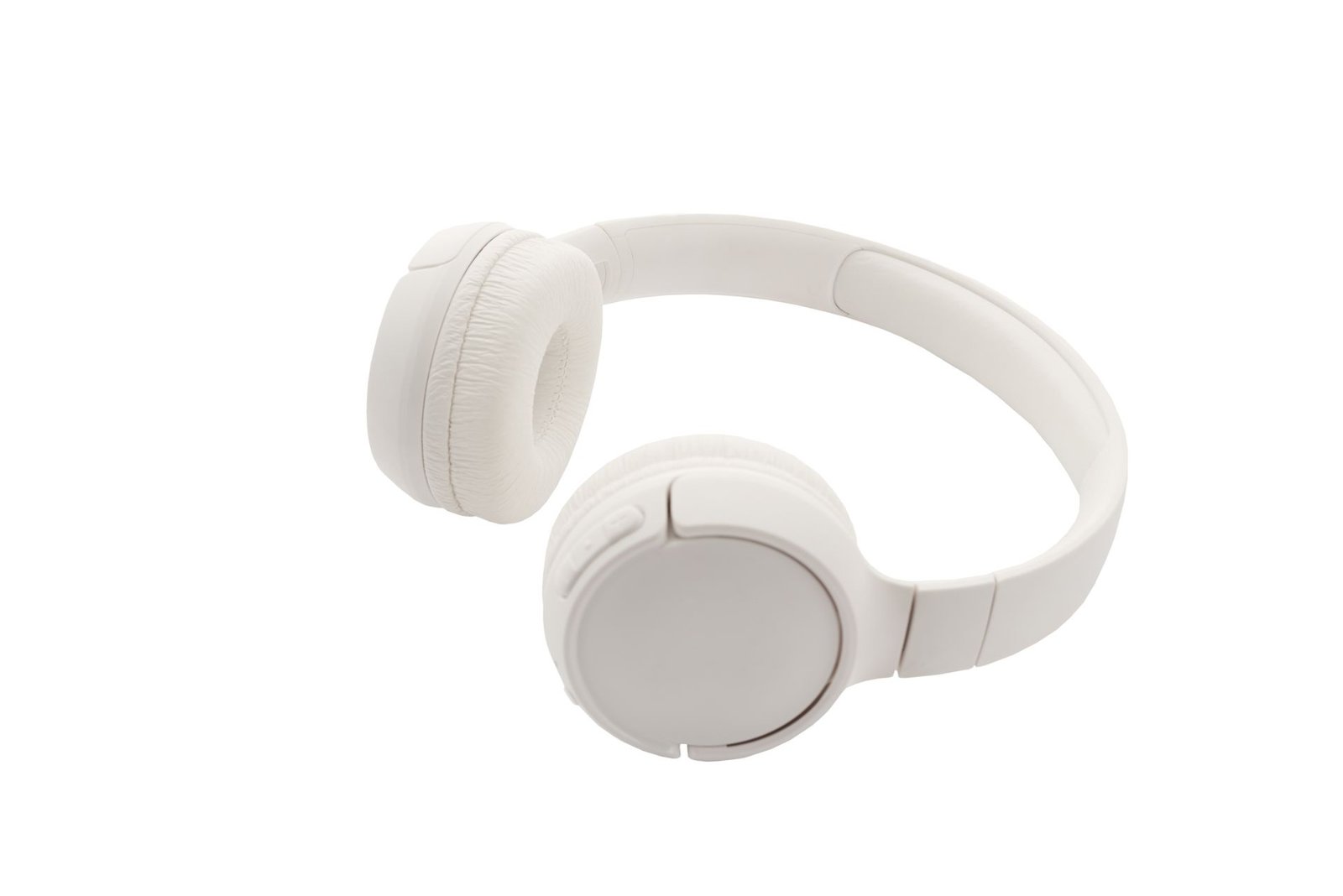
Companion Apps and Features Worth Having
Most quality headphones ship with a companion app, and the good ones add genuine value beyond the initial setup:
- Customizable EQ. Everyone’s hearing differs, and a good equalizer lets you tune the sound to your taste — or compensate for a tuning you dislike. Presets for different genres are a bonus; a full multi-band EQ is the real prize.
- Adjustable ANC levels. Full cancelling is not always ideal — a slider or adaptive mode that scales ANC to your environment (strong on the plane, light on a quiet street) is more useful than a simple on/off toggle.
- Wear detection. Sensors that pause playback when you remove the headphones and resume when you put them back on. Small convenience, used constantly.
- Find-my-headphones. Earbuds get lost; a last-known-location feature has saved many owners a replacement purchase.
- Firmware updates. Manufacturers genuinely improve ANC algorithms, fix bugs, and add features over a product’s life through updates. Check that the app is maintained and updates install painlessly — abandoned apps are a quiet red flag.
None of these should decide a purchase alone, but together they separate thoughtfully supported products from fire-and-forget ones.
Price Tiers and Where the Value Lives
Entry tier. Basic ANC that takes the edge off constant hum, decent sound, shorter battery life. Fine for trying the category or for light use — but the ANC gap versus the next tier is the largest jump in the market. If noise cancelling is the point of your purchase, this tier often disappoints.
Mid-range tier. This is the value sweet spot: genuinely effective ANC, good sound, comfortable builds, solid battery life, and multipoint on many models. For most buyers, this tier delivers 85–90% of the flagship experience at roughly half the price. Start your search here.
Flagship tier. The best ANC in the business, top-tier microphones, premium materials, and refined companion apps with extensive customization. Worth it for frequent flyers, open-office workers, and anyone who wears headphones all day — the incremental comfort and silence compound over thousands of hours. Diminishing returns are real, but so is the daily difference.
Timing tip: headphone prices drop significantly after launch and during major sale events. Previous-generation flagships frequently become outstanding buys — last year’s top model at a discount usually beats this year’s mid-range model at full price.
Buy from somewhere with a good return policy. Fit and sound are personal enough that no review substitutes for a week of real use. A retailer that allows returns after trying is worth a small premium.
How to Test Before You Commit
If you can try headphones before buying — in a store, borrowed from a friend, or through a retailer’s return window — run through this checklist:
- Wear them for at least 30 minutes, with glasses on if you wear them. Pressure points reveal themselves with time, not in the first minute.
- Test ANC where you will use it. Store demos are quiet; the real test is a commute, an office, or a fan running at home. Some retailers’ return windows exist precisely for this.
- Make a real phone call in a noisy spot and ask the other person how you sound. Then stand in wind if you can.
- Pair all your devices and test multipoint switching between them — this is where compatibility surprises hide.
- Listen to a familiar podcast as well as music. Spoken-word clarity exposes tuning flaws that bass-heavy demo tracks hide.
A week of real-world use beats a hundred reviews. Prioritize sellers that allow it.
Key Takeaways
- ANC excels at constant low-frequency noise (engines, HVAC hum) and struggles with sudden sounds — no headphone erases the world completely.
- Judge sound quality with your own music at low volumes, checking balance and clarity rather than bass quantity.
- Comfort decides whether expensive headphones get worn or gather dust — test clamping force, earcup depth, and weight, with glasses on if you wear them.
- For earbuds, a proper ear-tip seal is the foundation of both noise cancelling and bass; try all included tip sizes.
- Multipoint connectivity and microphone quality matter enormously for remote workers — verify both before buying.
- The mid-range tier offers the best value for most buyers; previous-generation flagships on sale often beat new mid-range models.
Frequently Asked Questions
Is noise cancelling bad for your ears?
There is no evidence that ANC itself harms hearing. In fact, by reducing background noise, it lets you listen at lower volumes, which is better for long-term hearing health. Some people notice a slight “pressure” sensation with strong ANC — trying before buying helps you know if it bothers you.
Do noise-cancelling headphones work without music playing?
Yes. ANC works independently of audio playback — you can wear them in silence just for the quiet, which many people do on planes and in offices. Battery still drains while ANC runs, so they are not passive earplugs, but the silence-without-music use case is one of their best features.
Are expensive noise-cancelling headphones worth it over budget ones?
The biggest quality jump is from entry-level to mid-range — that is where ANC becomes genuinely effective. The flagship premium buys the best ANC, better microphones, superior comfort, and longer support. It is worth it for daily, all-day wear; for occasional use, mid-range is the smarter buy.
Can I use noise-cancelling headphones for phone calls?
Yes, and good ones excel at it — but microphone quality varies enormously between models. Check call-sample recordings in reviews, especially in noisy and windy conditions, since a headphone with great ANC can still have a mediocre microphone.
How long do noise-cancelling headphones last?
The electronics and batteries typically give three to five years of daily use before battery degradation becomes noticeable. Physical durability varies — replaceable ear cushions extend life significantly. Treat quality pairs as a multi-year investment and factor that into the price.
Conclusion
A good noise cancelling headphones buying guide really comes down to this: understand what ANC can and cannot do, prioritize comfort as highly as sound, verify the microphone and multipoint features your workday needs, and buy from the tier that matches how many hours a day you will wear them. The mid-range sweet spot serves most people brilliantly; flagships earn their premium for all-day wearers and frequent travelers.
Take the time to test with your music, your glasses, and your devices — and buy from somewhere that lets you return them after a real week of use. The right pair disappears into your routine: the world gets quieter, your music gets clearer, and you stop thinking about your headphones entirely. That silence is the whole point.